In short
For a first trip to Albania, allow 7 to 10 days: Tirana (1 to 2 days), the UNESCO-listed Ottoman towns of Berat and Gjirokastër, then the Riviera (Himarë, Dhërmi, Ksamil) with Butrint and the Blue Eye. Add 3 days to hike from Theth to Valbonë in the Albanian Alps. Best times: May–June and September. Budget: €35 to €90 a day depending on comfort.
Contents
- How many days do you need in Albania?
- Tirana: Albania’s vibrant heart
- The Albanian Riviera: beaches and villages
- Berat and Gjirokastër: UNESCO-listed gems
- The Albanian Alps: a hiker’s paradise
- Ancient sites: Butrint, Apollonia and Durrës
- Natural wonders: the Blue Eye and hot springs
- Albanian food
- When to go
- FAQ
What is there to see in Albania? This small Balkan country, wedged between the Adriatic and rugged mountains, is one of Europe’s least-known gems: paradise beaches, UNESCO-listed towns, ancient sites and legendary hospitality, all at prices well below the rest of the Mediterranean.
This guide takes you from north to south: the highlights, how long to spend in each region, itineraries for different trip lengths and practical tips to avoid the common mistakes.
With Guidly, every castle, mosque and ancient site tells you its story: the app finds the places around you and creates an audio guide based on your interests, in your language, and you can ask it questions as you go.
How many days do you need in Albania?
- 5 days: Tirana, Berat and one stop on the Riviera (Himarë or Ksamil). A good overview, but fast-paced.
- 7 to 10 days (ideal for a first trip): Tirana, Berat, Gjirokastër, the Riviera, Butrint and the Blue Eye.
- 2 weeks: add the Albanian Alps (Theth and Valbonë), Shkodër and Lake Ohrid.
A 10-day Albania itinerary
- Days 1–2: Tirana and Mount Dajti.
- Day 3: Berat, “the city of a thousand windows”.
- Days 4–5: Gjirokastër, then the Blue Eye.
- Days 6–8: Ksamil, Butrint and the Riviera (Himarë, Dhërmi, the Llogara Pass).
- Days 9–10: Apollonia, then Durrës and its amphitheatre before heading back to Tirana.
Tirana: Albania’s vibrant heart
The capital is usually the first stop. Tirana surprises with its energy, its colours and its mix of Ottoman, communist and modern architecture: the best place to understand the country’s history before exploring the rest.
What to see in Tirana
- Skanderbeg Square: the vast central square, surrounded by the Opera, the Et’hem Bey Mosque and the National History Museum.
- Bunk’Art 1 and 2: former underground bunkers turned into museums about the communist regime. Essential to understand modern Albania.
- Mount Dajti and the Dajti Ekspres cable car: a ride to over 1,000 m with a panoramic view of Tirana.
- Blloku: once reserved for the communist elite, now the trendy district, with cafés, bars and rooftops.
Allow one day for the essentials, two to add Mount Dajti and Blloku’s nightlife.
The Albanian Riviera: beaches and villages
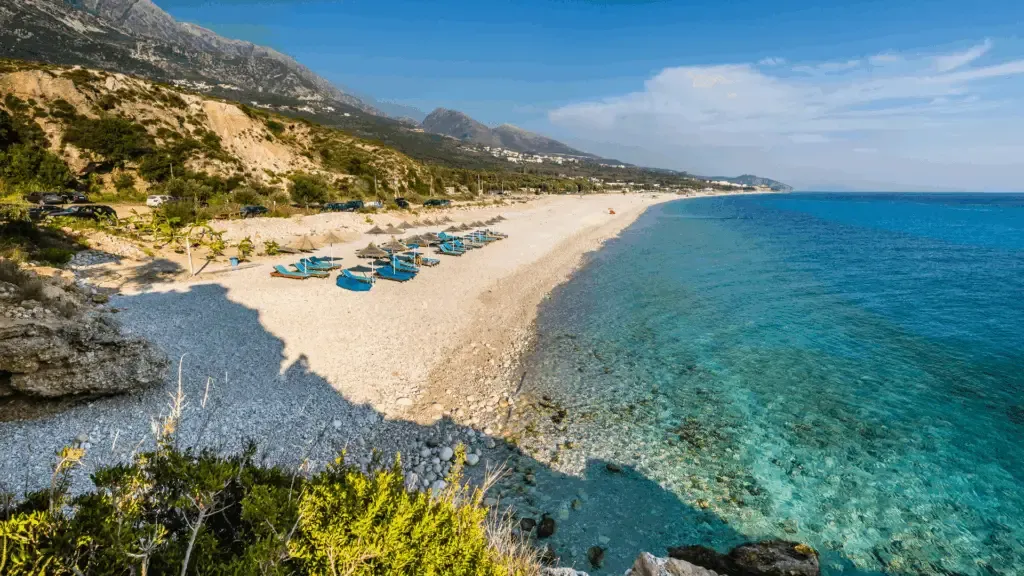
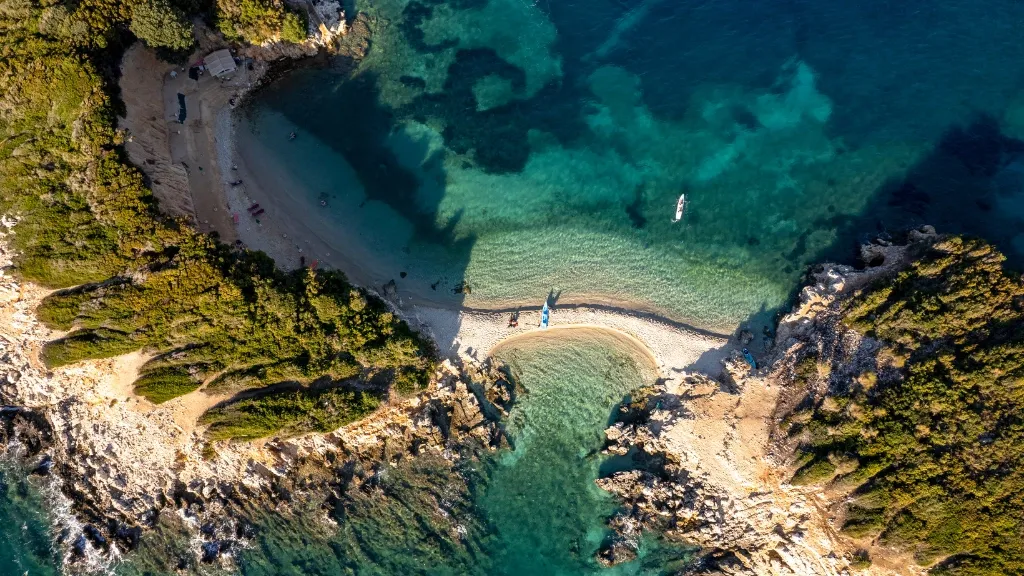
The Riviera is one of Albania’s greatest treasures: turquoise water, traditional villages and a laid-back summer atmosphere.
- Ksamil: turquoise water and small islands you can reach by boat, ideal for snorkelling and kayaking.
- Himarë and Dhërmi: traditional villages, pebble beaches and local tavernas.
- Jale Beach: a favourite with young Albanians, with live music and beach bars.
- Palasa and Drymades: more upmarket beaches and boutique hotels.
- The Llogara Pass: a spectacular mountain road with a view over the whole coast.
Renting a car lets you follow the SH8 coastal road, one of the most beautiful in Europe, and stop wherever you like. Allow 2 to 3 days for the best beaches, 4 to 5 to slow down and explore the villages.
Berat and Gjirokastër: UNESCO-listed gems
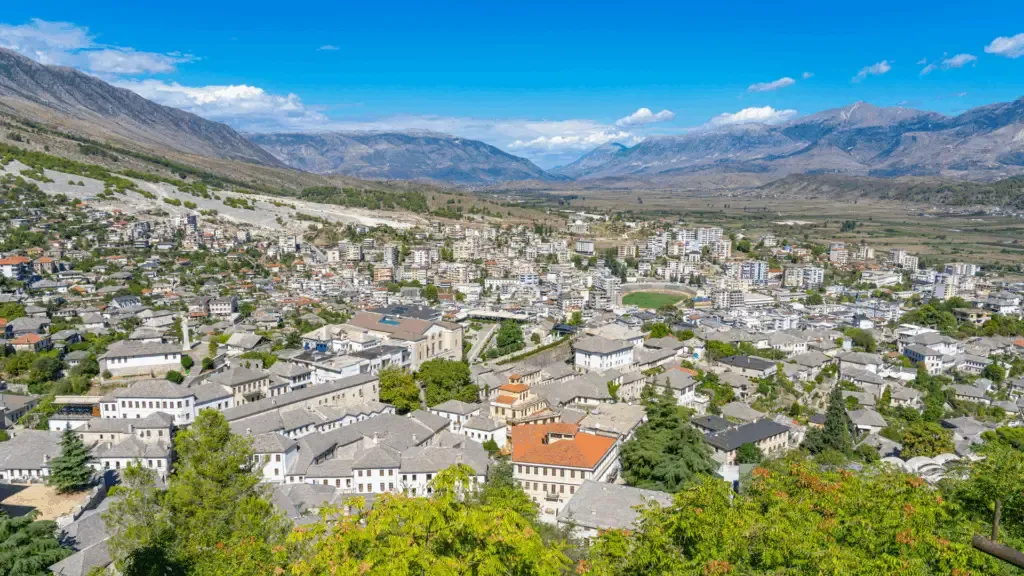
Set between mountains and valleys, Berat and Gjirokastër are two historic towns on the UNESCO World Heritage list: white houses clinging to the hillsides, cobbled lanes, castles above the valley and local crafts.
- Berat, “the city of a thousand windows”: the Gorica and Mangalem quarters on either side of the river, linked by an Ottoman bridge, and the castle with its view over the town and its Byzantine icons.
- Gjirokastër, “the city of stone”: the fortress and its museum, and the Ottoman tower houses such as the Zekate House.
Allow one day for each town; the drive between them takes about three hours.
The Albanian Alps: a hiker’s paradise
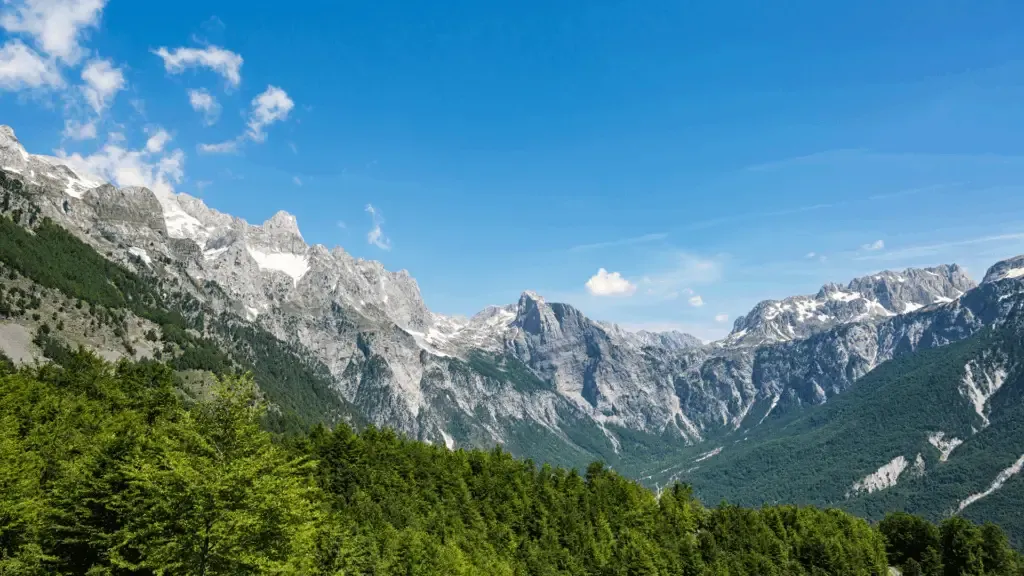
Dizzying peaks, green valleys and isolated villages: the Albanian Alps (also called the Accursed Mountains) are one of the best hiking regions in Europe.
- Theth: stone houses, rural life and total calm.
- The Theth to Valbonë hike: one of the finest hikes in the Balkans (6 to 8 hours), over the Valbonë Pass at around 1,800 m.
- The Blue Eye of Theth: a natural pool of intense blue, about four hours’ round-trip walk from the village.
- Guesthouses: family-run stays with home-cooked meals.
The region is cut off in winter: go between June and September and book transport and guesthouses ahead.
Ancient sites: Butrint, Apollonia and Durrës
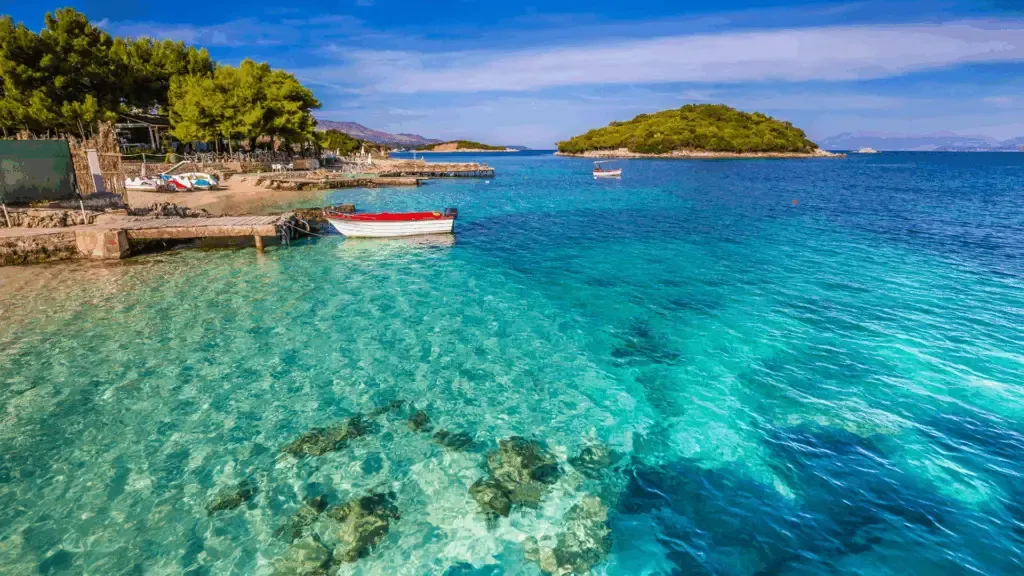
- Butrint: a UNESCO-listed Greek and Roman city surrounded by lagoon and forest, with its theatre, baptistery and walls.
- Apollonia: founded by the Greeks in the 6th century BC, with its columns and a monastery overlooking the valley. Best combined with Berat.
- The Durrës amphitheatre: one of the largest in the Balkans, right in the city centre.
Visit Butrint early in the morning in summer, and allow at least two hours per site.
Natural wonders: the Blue Eye and hot springs
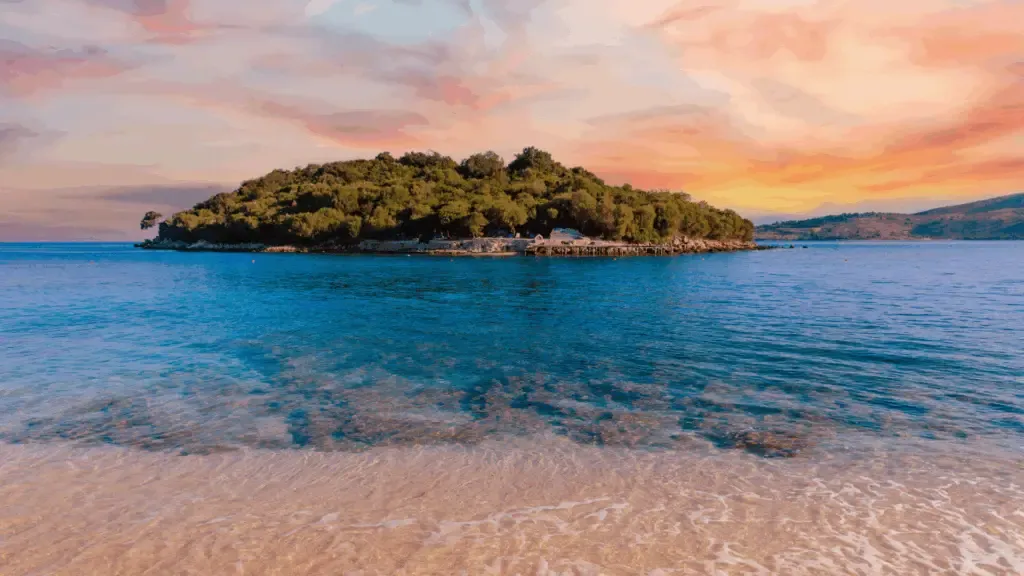
- The Blue Eye (Syri i Kaltër): a deep blue spring whose exact depth has never been measured. Come before 10am or after 5pm to avoid the crowds.
- Benjë hot springs and the Lengarica Canyon: near Përmet, a natural hot bath after a hike.
- Lakes Ohrid and Prespa: on the border with North Macedonia, with lakeside villages and migratory birds.
Albanian food
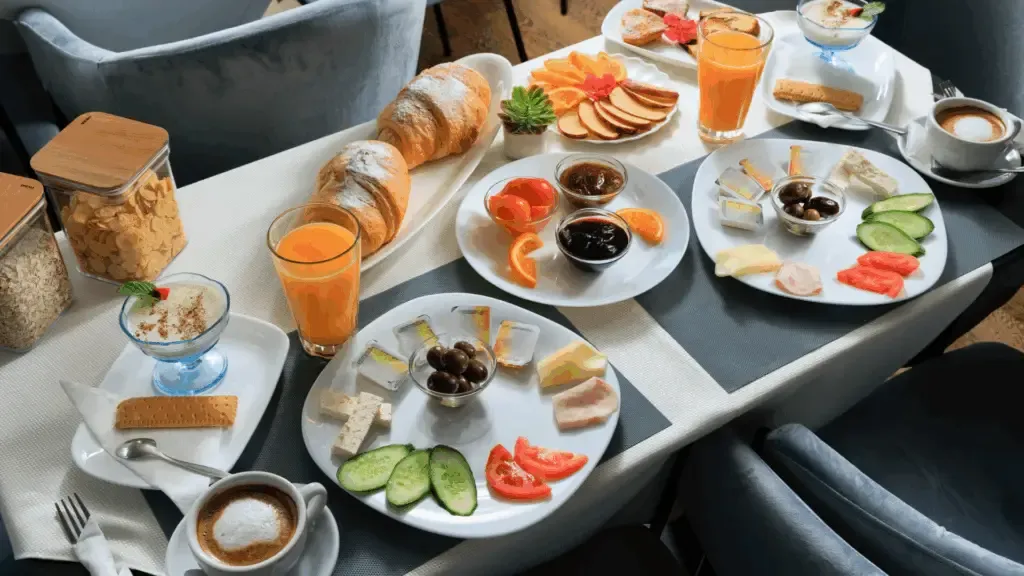
- Fërgesë: peppers, tomatoes and cheese.
- Tavë kosi: baked lamb with yoghurt and eggs, a national dish.
- Qofte: herb meatballs.
- Trileçe: a soft three-milk cake.
- Raki and Turkish coffee: the drinks of everyday life.
When to go
- May–June and September: the best time for the whole country, with pleasant weather, fewer crowds and good hiking.
- July–August: ideal for the beaches, but very hot inland.
- Winter: quiet, with skiing around Korçë.
FAQ
What is the best time to visit Albania?
From May to September. For beaches without the crowds, go in May–June or September. For hiking in the Albanian Alps, go between June and September.
How many days do you need in Albania?
Allow 7 to 10 days for a first trip: Tirana, Berat, Gjirokastër, the Riviera and Butrint. With two weeks, you can add the Albanian Alps (Theth and Valbonë).
Is Albania safe for tourists?
Yes, Albania is generally very safe for travellers, and its hospitality is legendary. As everywhere, use common sense in busy places.
How do you get around Albania?
Buses and minibuses (furgons) are cheap but not always punctual. Renting a car gives you much more freedom, especially for the mountainous north and the more remote beaches of the south.
How much does a trip to Albania cost?
Albania is one of the most affordable countries in Europe: around €35 to €50 a day on a budget (guesthouses, local food), €60 to €90 a day mid-range, and €100+ with upmarket hotels and a rental car.
Do I need a visa for Albania?
Citizens of the EU, the UK, the US, Canada and Australia do not need a visa for a short stay. Always check your government’s travel advice before you go.
Plan your next trip with Guidly: a personal audio guide, in 12+ languages, across 9 million places.