In short
Four days in Rome: ancient Rome (Colosseum, Forum, Palatine Hill) on day one, the Vatican on day two, the baroque centre (Trevi, Pantheon, Piazza Navona) and Trastevere on day three, Villa Borghese and the Aventine on day four. With three days, combine days three and four. Book the Colosseum (€18), the Vatican Museums (around €25 online) and the Borghese Gallery ahead. Getting close to the Trevi Fountain basin now costs €2.
Contents
Rome is not a city you visit, it is a city you live: from ancient ruins to baroque squares, every street tells 2,500 years of history. Here is a 4-day Rome itinerary, organised by area to keep travel time down, with a condensed 3-day version, 2026 prices and the bookings you should not forget.
With Guidly, every ruin and every fountain tells you its story: the app finds the places around you and creates an audio guide based on your interests, in your language, and you can ask it questions as you go.
Day 1: ancient Rome
Morning: the Colosseum
The largest amphitheatre of the Roman Empire could hold more than 50,000 spectators. The standard ticket (€18) covers the Colosseum, the Roman Forum and the Palatine Hill, with a set entry time: book several days ahead. Entry is free for under-18s.
Guided tour of the Colosseum, Palatine Hill and Roman Forum
Lunch: Monti
Eat in the Monti neighbourhood, just behind the Colosseum: small trattorias, cafés and shops, away from the tourist menus.
Afternoon: the Forum and the Palatine Hill
The Forum was the political and religious heart of ancient Rome; the Palatine, the hill of the emperors, offers the best view over its ruins.
Evening: the Capitoline Hill
Climb to Michelangelo’s Piazza del Campidoglio: from the terrace at the back, the view over the floodlit Forum is stunning. The terrace of the Vittoriano, nearby, overlooks the whole city.
Dolce Vita in a Fiat 500: Rome and an aperitivo at the Colosseum
Day 2: the Vatican
Morning: the Vatican Museums and the Sistine Chapel
Arrive at opening time: the galleries of ancient statues, the Raphael Rooms, then the Sistine Chapel with Michelangelo’s ceiling and Last Judgement. Expect around €25 when booking online. The museums are closed on Sundays, except the last Sunday of the month.
Vatican Museums and Sistine Chapel tour
Lunch: Borgo Pio
The streets of Borgo Pio, right next door, are quieter and cheaper than the area around St Peter’s Square.
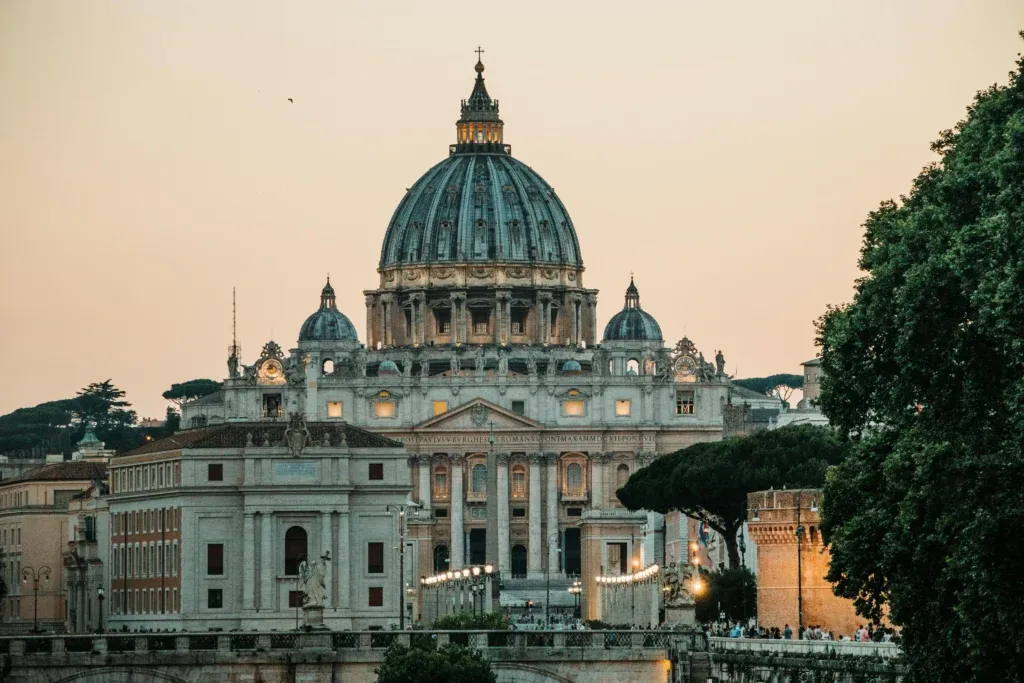
Afternoon: St Peter’s Basilica
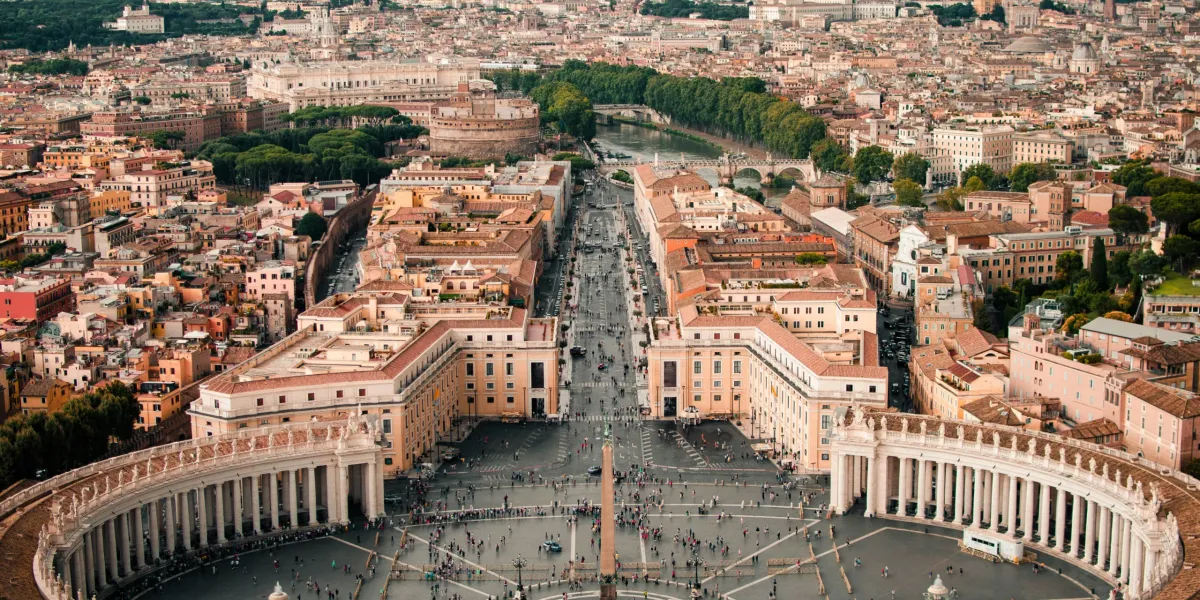
Entry to the basilica is free (security check; shoulders and knees covered). Admire Michelangelo’s Pietà, then climb the dome for the view over St Peter’s Square and the whole of Rome.
Priority entry to St Peter’s Basilica
Evening: Castel Sant’Angelo
Hadrian’s mausoleum, later the popes’ fortress, has a lovely terrace at sunset. Then cross Ponte Sant’Angelo and its angels designed by Bernini.
Castel Sant’Angelo skip-the-line ticket
Day 3: the baroque centre and Trastevere
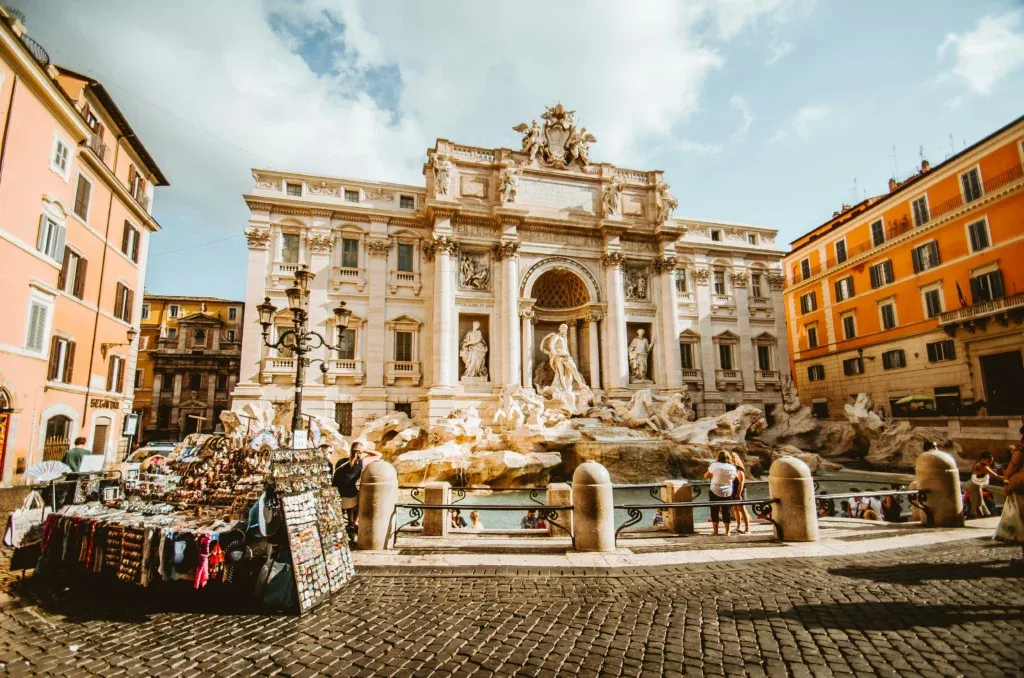
Morning: Trevi and the Pantheon
Get to the Trevi Fountain early. Since 2026, access to the area next to the basin costs €2; you can still admire it for free from the square. Toss a coin over your shoulder to make sure you come back to Rome. Then walk to the Pantheon (€5), a temple almost 2,000 years old, crowned by the largest unreinforced concrete dome in the world.
Small-group guided tour of the Pantheon
Lunch: Piazza Navona and Campo de’ Fiori
Piazza Navona and Bernini’s Fountain of the Four Rivers, then the morning market on Campo de’ Fiori. Have lunch in the streets around Via del Governo Vecchio.
Afternoon: Trastevere
Cross the Tiber to Trastevere: cobbled lanes covered in ivy, the golden mosaics of Santa Maria in Trastevere, and the view over Rome from the Janiculum Hill.
Trastevere and Campo de’ Fiori food tour
Evening
Dinner in Trastevere: carbonara, cacio e pepe, supplì and, in season, Jewish-style artichokes.
Day 4: Villa Borghese and secret Rome
Morning: the Borghese Gallery
Bernini’s sculptures and Caravaggio’s paintings in a villa at the heart of a large park. Booking is mandatory, in two-hour slots. Then stroll through the Villa Borghese gardens to the Pincio terrace.
Golf-cart tour of the Villa Borghese gardens
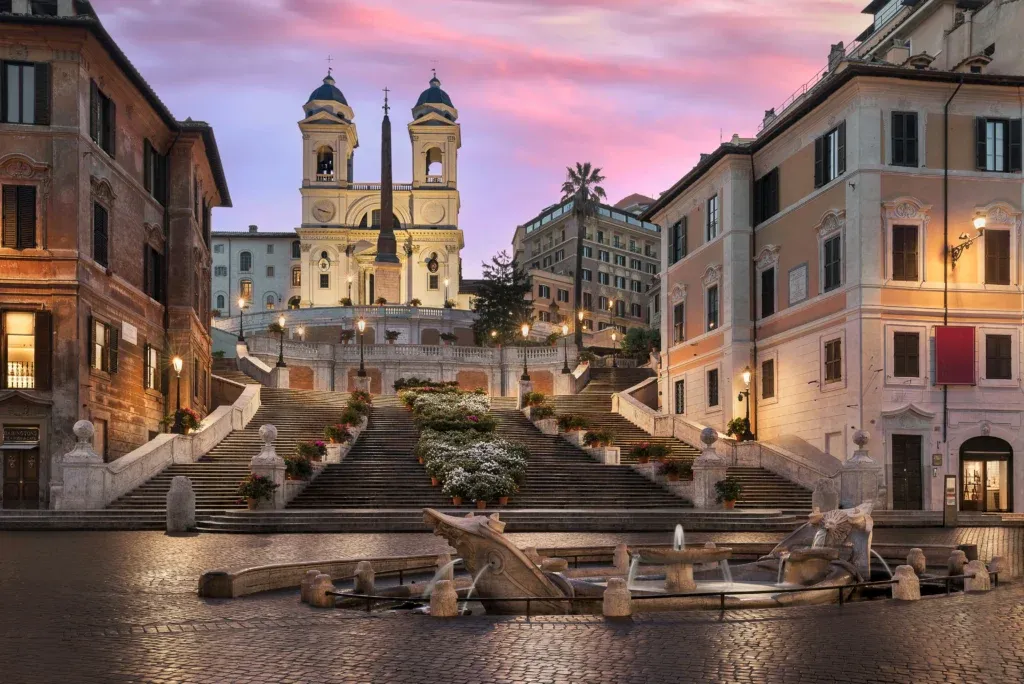
Lunch: the Spanish Steps
Walk down via Piazza del Popolo to Piazza di Spagna and the Spanish Steps. Note that sitting on the steps is forbidden.
Afternoon: the Mouth of Truth and the Aventine
Put your hand in the Mouth of Truth, like Audrey Hepburn in Roman Holiday, then walk past the Theatre of Marcellus and through the Jewish Ghetto. Climb the Aventine Hill: the Orange Garden has a superb view, and through the keyhole of the Knights of Malta villa you can see the dome of St Peter’s perfectly framed.
Evening
A last dinner in Testaccio, the birthplace of Roman working-class cooking.
Award-winning Roman food tours
Rome in 3 days
Only three days? Keep days one and two, and make the last day a condensed one: Trevi and the Pantheon in the morning, Piazza Navona at lunchtime, the Spanish Steps in the afternoon and Trastevere in the evening. Book the Borghese Gallery only if you are passionate about art.
If you have more time
- The Baths of Caracalla, huge ancient public baths.
- The Appian Way by bike, with its catacombs.
- Ostia Antica, ancient Rome’s port, 30 minutes away by train.
Private tour of the Baths of Caracalla and the Circus Maximus
Practical tips
- Bookings: the Colosseum, the Vatican Museums and the Borghese Gallery are sold in timed slots, several days ahead in high season, on the official websites.
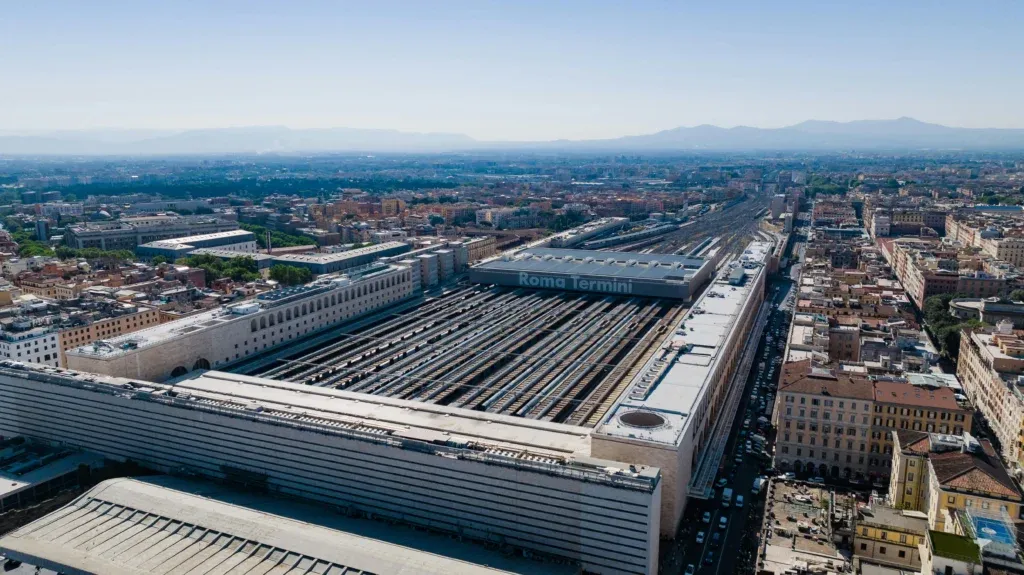
- Transport: the centre is best explored on foot. The metro links Termini, the Colosseum and the Vatican, and you can tap a contactless card at the gates. The Roma Pass (48 or 72 hours) includes transport and one or two museum entries.
- Dress code: shoulders and knees covered in churches and at the Vatican.
- Avoid: the first Sunday of the month, when many sites are free and therefore packed.
- Where to stay: the historic centre (Pantheon, Navona) to do everything on foot, Monti for atmosphere, Trastevere for charm, or near Termini on a budget.
- When to go: spring (April–June) and September–October.
Exploring Rome with Guidly
- Let the app locate you: it shows you every place around you, from famous monuments to hidden churches, drawn from our database of 9 million points of interest.
- Listen to an audio guide created for you, based on your interests: gladiators, emperors, popes, Bernini or Italian cinema.
- Ask your questions by text or by voice: “Why is part of the Colosseum missing?”, “Where can I eat a real carbonara nearby?”.
- With kids, switch on kids mode (ages 3–8).
FAQ
How many days do you need in Rome?
Three days are enough for the essentials: ancient Rome, the Vatican and the baroque centre. Four days give you time to add Trastevere, the Borghese Gallery and the Aventine without rushing.
What should I see in Rome in 4 days?
The Colosseum, Forum and Palatine, the Vatican Museums and the Sistine Chapel, St Peter’s Basilica, the Trevi Fountain, the Pantheon, Piazza Navona, Trastevere, the Borghese Gallery, the Spanish Steps and the Aventine.
Do I need to book Rome’s monuments in advance?
Yes. The Colosseum, the Vatican Museums and the Borghese Gallery are often sold out. Book on the official websites to avoid resellers and long queues.
How much does the Trevi Fountain cost?
Since 2026, access to the area next to the basin, closest to the water, costs €2. The fountain can still be seen for free from the square.
Where is the best area to stay in Rome?
The historic centre (Pantheon, Piazza Navona, Campo de’ Fiori) to do everything on foot, Monti or Trastevere for atmosphere, or near Termini station on a tighter budget.
Plan your next trip with Guidly: a personal audio guide, in 12+ languages, across 9 million places.