In short
Three days in Vienna: the historic centre (St Stephen’s Cathedral, the Hofburg and Sisi Museum, Viennese coffee houses) and an evening at the Opera on day one; Schönbrunn, the Naschmarkt, the Secession and the Kunsthistorisches Museum on day two; the Belvedere and Klimt’s The Kiss, the Hundertwasser House, the Prater and a Heuriger on day three. Standing tickets for the Opera are sold cheaply on the day.
Contents
The imperial capital of the Habsburgs, the city of Mozart and Klimt, and of coffee houses where you can linger for hours: Vienna is perfect for a long weekend. Here is what to do in Vienna in 3 days, with an itinerary organised by area and our tips for enjoying the music without breaking the bank.
With Guidly, every palace and every coffee house tells you its story: the app finds the places around you and creates an audio guide based on your interests, in your language, and you can ask it questions as you go.
Day 1: the imperial centre
Morning: St Stephen’s Cathedral
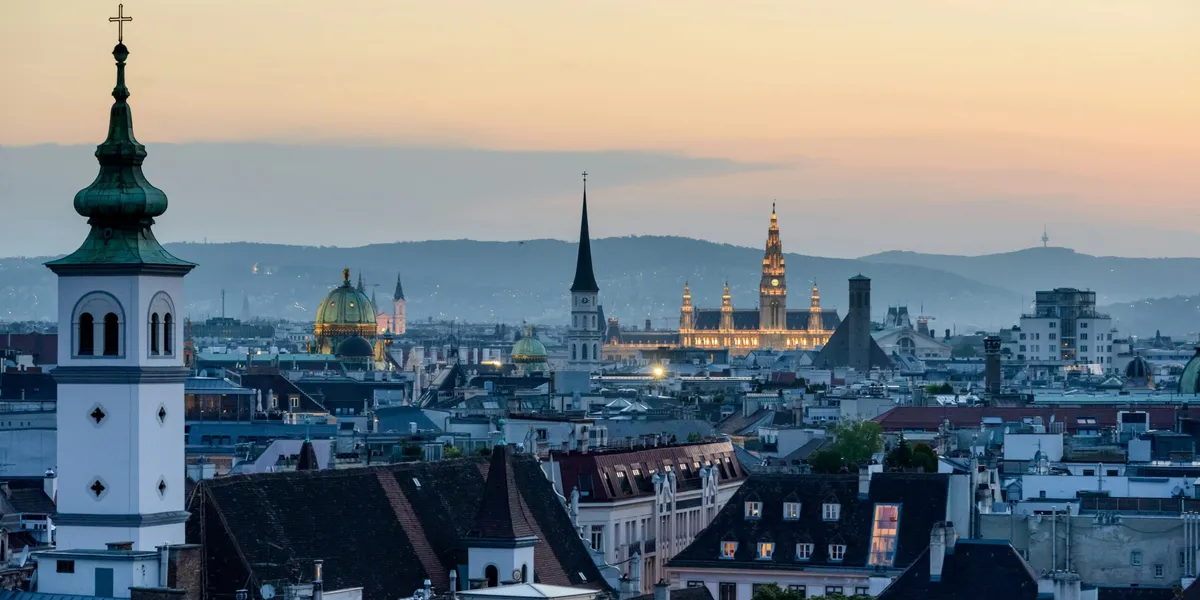
Start in the heart of the city, at the Stephansdom and its glazed-tile roof. Climb the south tower (more than 340 steps) for a view over Vienna’s rooftops.
Tickets for St Stephen’s Cathedral and the Dom Museum
Late morning: the Hofburg
The Habsburgs’ winter palace: the Imperial Apartments, the Sisi Museum dedicated to Empress Elisabeth, and the Silver Collection. In the mornings, the Spanish Riding School holds training sessions for its Lipizzaner horses.
Skip-the-line tour of the Sisi Museum, the Hofburg and the gardens
Lunch and afternoon: Viennese coffee houses
Viennese coffee house culture is recognised as intangible cultural heritage by the Austrian UNESCO commission. Have lunch at Café Central, under its vaulted ceilings, or try the original Sachertorte at Café Sacher. Then stroll along the Graben and the Kohlmarkt.
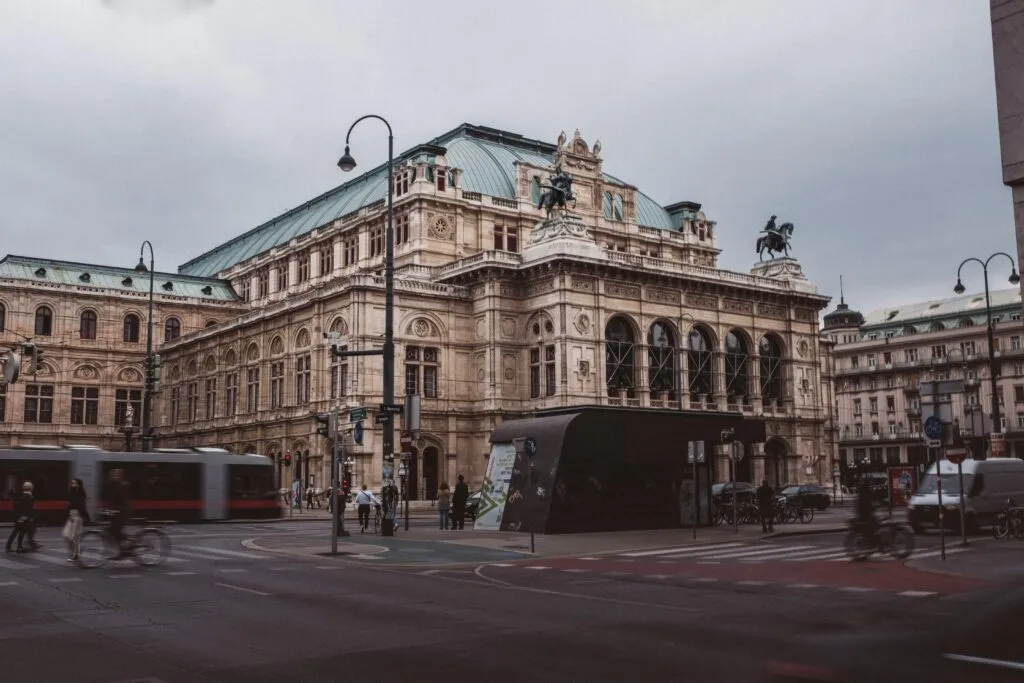
Evening: the Opera
The Vienna State Opera is one of the most prestigious in the world. Standing tickets, sold cheaply before each performance, let you attend without spending much. Otherwise, a daytime guided tour shows you the building and its backstage.
Day 2: Schönbrunn and artistic Vienna
Morning: Schönbrunn Palace
The Habsburgs’ summer residence, listed by UNESCO: visit the state rooms (book a time slot online), then climb to the Gloriette for the view over the palace and the city. The park is free to enter.
Lunch: the Naschmarkt
Vienna’s great market: stalls of fruit, spices and cheese, and small restaurants serving food from around the world.
Afternoon: the Secession and the Kunsthistorisches Museum
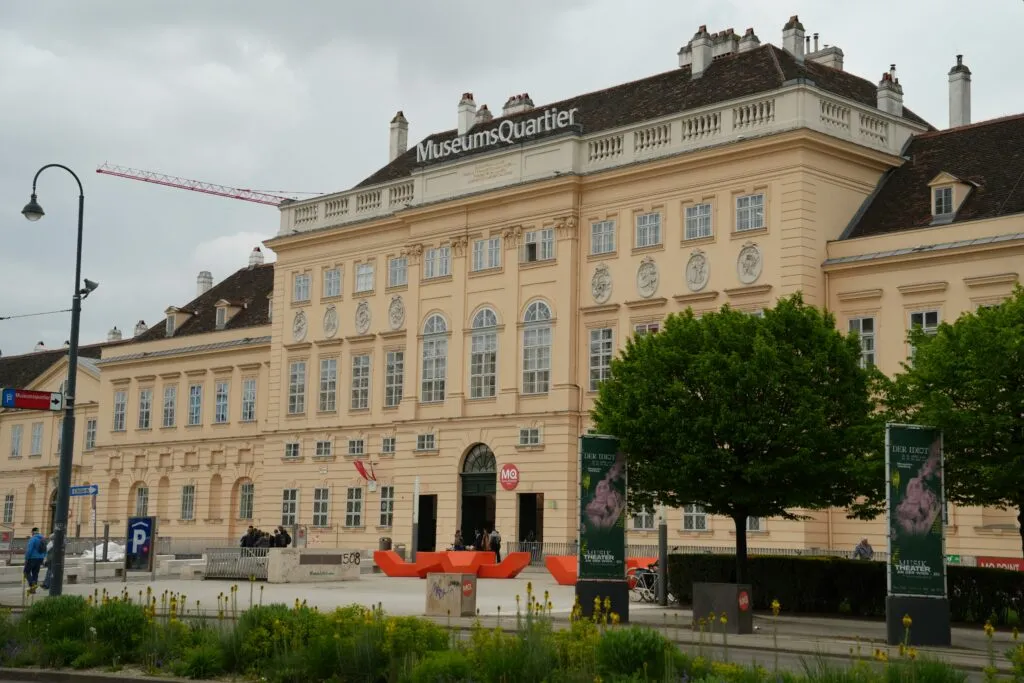
The Secession building, with its dome of golden leaves, houses Klimt’s Beethoven Frieze. Then head to the Kunsthistorisches Museum, one of Europe’s great art museums, for Bruegel, Vermeer, Titian and Rubens, and end with a drink in the MuseumsQuartier.
Kunsthistorisches Museum entry ticket
Evening: a concert
Mozart, Strauss or Beethoven at the Musikverein, the Konzerthaus or a baroque church. Book ahead for the big halls.
Day 3: Klimt, Hundertwasser and the Prater
Morning: the Belvedere
This baroque palace holds the world’s largest Klimt collection, including The Kiss. Arrive at opening time to see it without the crowds, then walk down through the formal gardens.
Lunch: the Hundertwasser House
Colourful façades, wavy floors and trees on the balconies: the social housing block designed by Hundertwasser is seen from the outside, with the Kunst Haus Wien nearby.
Afternoon: the Prater
Vienna’s great park and its 1897 Giant Ferris Wheel, made famous by the film The Third Man. Then walk along the tree-lined Hauptallee.
Evening: a Heuriger
End the day in a Heuriger, a winemaker’s tavern where you drink the year’s wine with a country buffet. The best known are in Grinzing, at the foot of the vineyards, reachable by tram from the centre.
If you have more time
- The Danube Tower and its revolving restaurant.
- The Wachau Valley, its vineyards and Melk Abbey, listed by UNESCO.
- Bratislava, an hour away by train or boat.
Practical tips
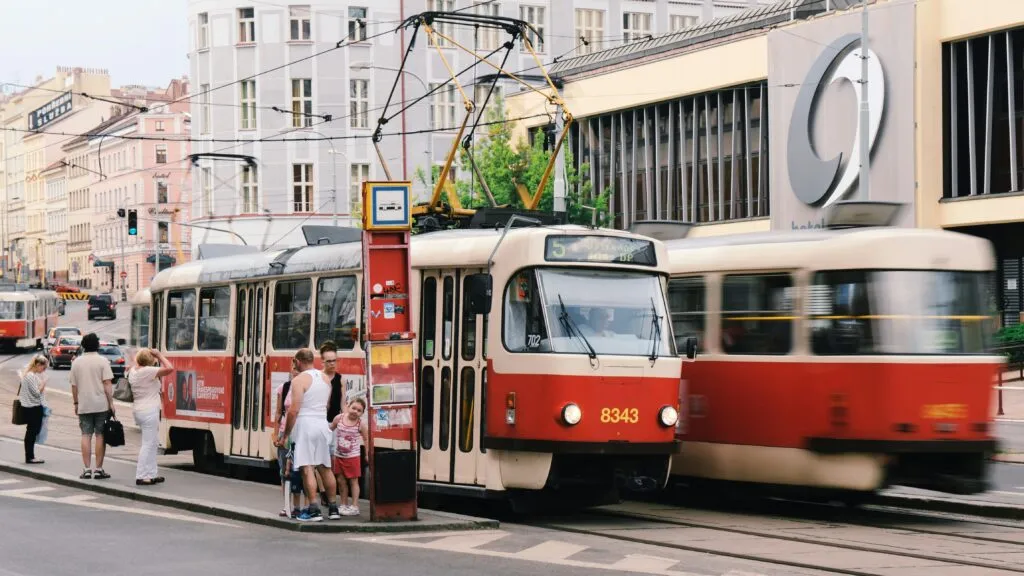
- Transport: the metro, trams and buses are very efficient. Get a 24, 48 or 72-hour ticket, or the Vienna City Card, which adds museum discounts.
- Bookings: Schönbrunn, the Opera and concerts should be booked ahead in high season.
- Budget: Vienna is more affordable than Paris or London, especially with standing tickets at the Opera and dinners in a Heuriger.
- When to go: spring and early autumn. In December, the Christmas markets are magical.
Exploring Vienna with Guidly
- Let the app locate you: it shows you every place around you, from imperial palaces to Art Nouveau details, drawn from our database of 9 million points of interest.
- Listen to an audio guide created for you, based on your interests: the Habsburgs, music, Art Nouveau, food.
- Ask your questions by text or by voice: “Who was Sisi, really?”, “Which coffee house for a Sachertorte?”.
More capitals: the most beautiful European capitals • Berlin in 3 days.
FAQ
What should I do in Vienna in 3 days?
The historic centre (St Stephen’s Cathedral, the Hofburg, coffee houses), Schönbrunn Palace, the Kunsthistorisches Museum and the Secession, the Belvedere and Klimt’s works, the Prater, an evening at the Opera or a concert, and dinner in a Heuriger.
When is the best time to visit Vienna?
Spring (April–May) and early autumn (September–October). From late November to Christmas, the Christmas markets draw many visitors.
How can I go to the Vienna Opera on a budget?
With standing tickets, sold cheaply for each performance: they are bought on the day, online or on site depending on the current rules.
How many days do you need in Vienna?
Three days are enough for the highlights. Allow 4 to 5 days to add a trip to the Wachau Valley or Bratislava.
Plan your next trip with Guidly: a personal audio guide, in 12+ languages, across 9 million places.