In short
Three days in Berlin: historic Berlin (the Brandenburg Gate, the Reichstag dome, free with registration, the Holocaust Memorial, Checkpoint Charlie, the Topography of Terror) on day one; Museum Island, the Berlin Wall Memorial on Bernauer Strasse and the East Side Gallery on day two; Charlottenburg, Tempelhof and Kreuzberg on day three. Note that the Pergamon Museum is closed for renovation.
Contents
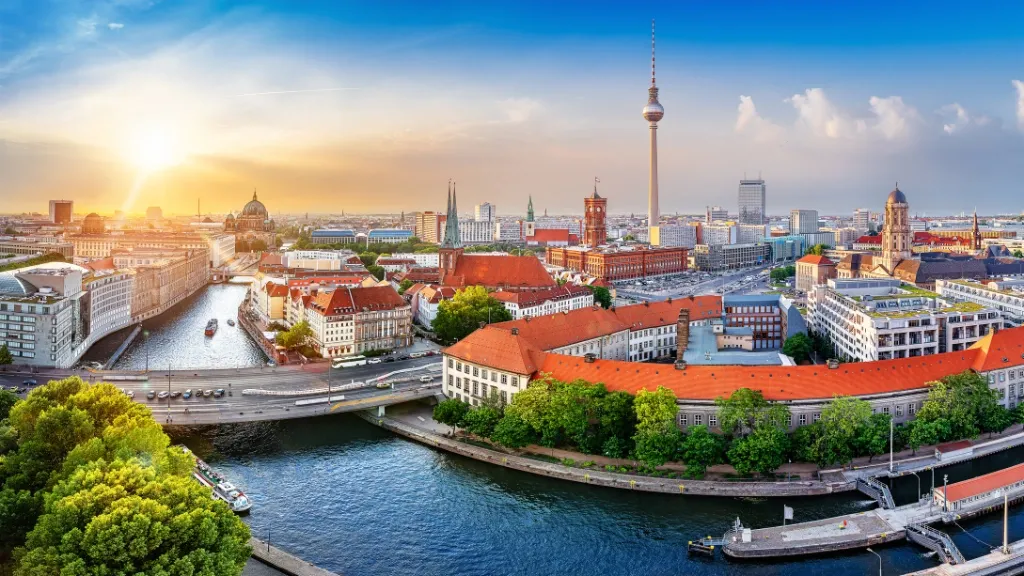
Berlin reads like an open-air history book: the Empire, Nazism, the Cold War, the Wall, then the rebirth of a creative capital. Here is a 3-day Berlin itinerary, organised by area, between memorials, museums, street art and nightlife, with up-to-date practical information for 2026.
With Guidly, every monument and every piece of the Wall tells you its story: the app finds the places around you and creates an audio guide based on your interests, in your language, and you can ask it questions as you go.
Day 1: historic Berlin
Morning: the Brandenburg Gate and the Reichstag
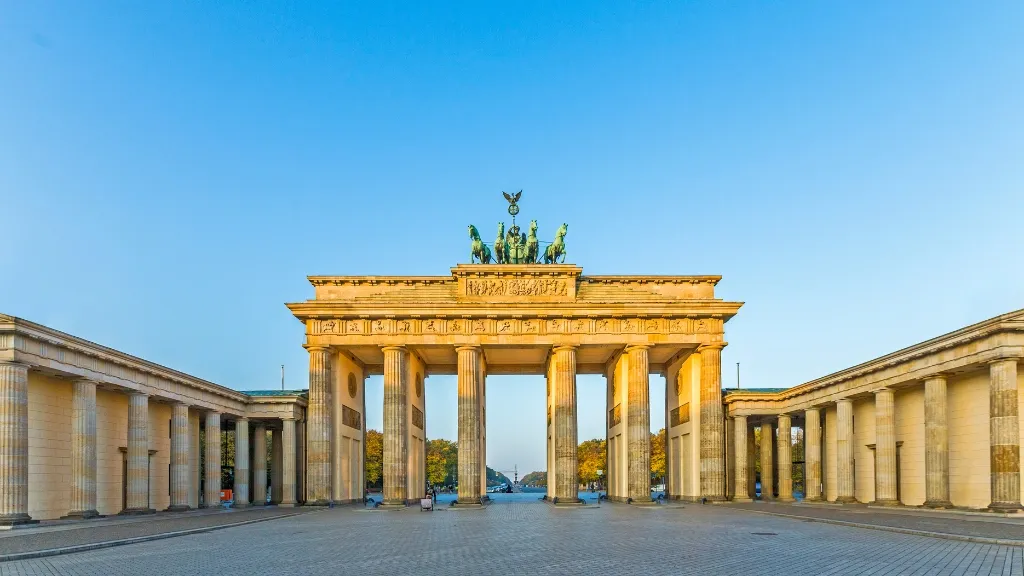
Start at the Brandenburg Gate, the symbol of division and then reunification. Right next to it, go up into the glass dome of the Reichstag, home of the German parliament: the visit is free, but you must register online, several days ahead. Bring ID.
“Third Reich and Cold War” walking tour (2 hours)
Lunch
For an exceptional view, book the Käfer restaurant on the roof of the Reichstag (reservation required, which also gives access to the dome). Otherwise, picnic in the Tiergarten next door.
Afternoon: memories of the 20th century
The Memorial to the Murdered Jews of Europe and its 2,711 concrete slabs, then the underground information centre. Continue to the Topography of Terror, on the site of the former Gestapo headquarters, where a section of the Wall still stands, then Checkpoint Charlie, the former crossing point between the American and Soviet sectors.
Evening: Mitte
Have dinner in the Nikolaiviertel, the city’s oldest quarter, for example at Zur Letzten Instanz, which claims to be Berlin’s oldest restaurant. End at Alexanderplatz, beneath the TV Tower.
Day 2: Museum Island and the Wall
Morning: Museum Island
Five UNESCO-listed museums on an island in the Spree. The Pergamon Museum is closed for a long renovation, but the Neues Museum and the bust of Nefertiti, the Alte Nationalgalerie and the Bode Museum are well worth the visit. Look into Berlin Cathedral and its dome.
Combined tickets for Museum Island
Lunch: currywurst
Berlin’s signature dish, best eaten at an Imbiss (street food stand), for example under the elevated railway in Prenzlauer Berg.
Afternoon: the Berlin Wall Memorial and the East Side Gallery
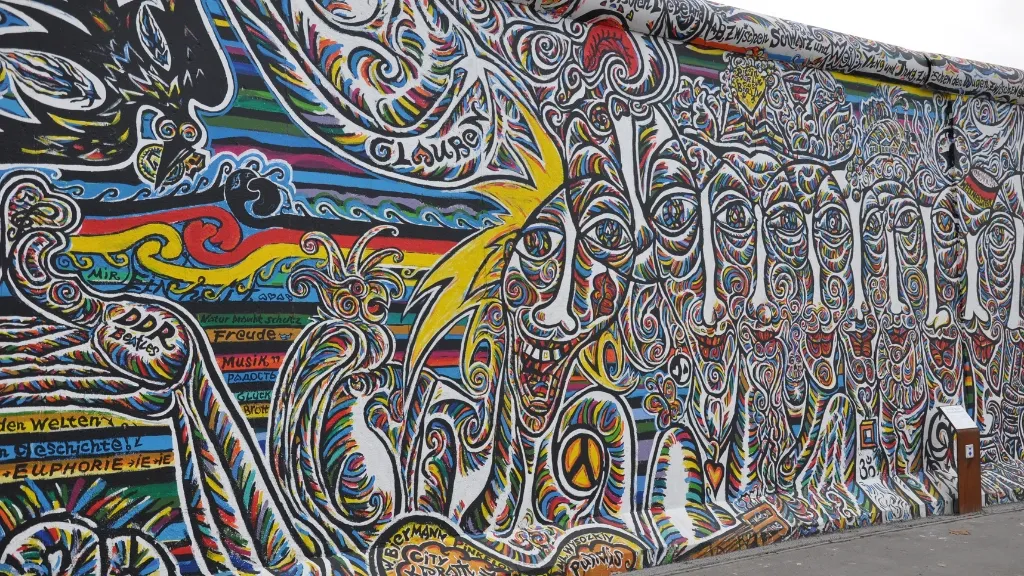
The Berlin Wall Memorial on Bernauer Strasse, free to visit, shows the only preserved section complete with its death strip and watchtower: the best place to understand what the border really was. Then head to the East Side Gallery, 1.3 km of Wall covered in murals, including the famous “Fraternal Kiss” between Brezhnev and Honecker.
Evening: Kreuzberg and Friedrichshain
The two hubs of Berlin nightlife. On Thursday evenings, Markthalle Neun hosts a big street food market.
Day 3: palaces, an airport and creative neighbourhoods
Morning: Charlottenburg Palace
Berlin’s largest palace, residence of the Prussian kings, with baroque gardens along the Spree.
Lunch
Eat in Charlottenburg, around Savignyplatz.
Afternoon: Tempelhof or the Jewish Museum
Tempelhofer Feld, the former airport of the 1948–1949 Berlin Airlift, now a huge park where people cycle and skate on the runways. Or the Jewish Museum, whose Daniel Libeskind architecture is an experience in itself.
Evening: a rooftop in Neukölln
For sunset, head up to Klunkerkranich, a rooftop bar on top of a shopping-centre car park in Neukölln.
If you have more time
- Potsdam and Sanssouci Palace, a short train ride away.
- Prenzlauer Berg and its Sunday flea market at Mauerpark.
- The Sachsenhausen memorial, a former concentration camp north of Berlin.
Practical tips
- Transport: the U-Bahn, S-Bahn, trams and buses are very efficient. Get a day ticket or the Berlin WelcomeCard, which adds museum discounts.
- Bookings: the Reichstag dome (free, with registration) and the Museum Island museums.
- Payment: cards are more and more widely accepted, but some bars and snack stands still take cash only.
- When to go: May to September, to enjoy the terraces, parks and lakes.
Berlin WelcomeCard with public transport
Exploring Berlin with Guidly
- Let the app locate you: it shows you every place around you, from great monuments to the discreet traces of the Wall, drawn from our database of 9 million points of interest.
- Listen to an audio guide created for you, based on your interests: the Cold War, architecture, street art, Prussian history.
- Ask your questions by text or by voice: “How did Berliners cross the Wall?”, “Where can I get a good currywurst nearby?”.
More capitals: Vienna in 3 days • the most beautiful European capitals.
FAQ
What should I do in Berlin in 3 days?
The Brandenburg Gate and the Reichstag dome, the Holocaust Memorial, the Topography of Terror and Checkpoint Charlie, Museum Island, the Berlin Wall Memorial and the East Side Gallery, then Charlottenburg, Tempelhof and the Kreuzberg and Friedrichshain neighbourhoods.
How do I visit the Reichstag dome?
The visit is free, but you must register online on the Bundestag website, ideally several days ahead, and show ID at the entrance.
Is the Pergamon Museum open?
No, it is closed for a long renovation. The other Museum Island museums, including the Neues Museum and the bust of Nefertiti, remain open.
Where can you see the Berlin Wall?
At the East Side Gallery for the murals, and at the Bernauer Strasse memorial to understand how the border worked. A section also survives at the Topography of Terror.
When is the best time to visit Berlin?
May to September for the terraces and parks. In December, there are lots of Christmas markets, but it is cold.
Plan your next trip with Guidly: a personal audio guide, in 12+ languages, across 9 million places.