In short
Three days in Budapest: Pest on day one (the Parliament, the Great Market Hall, Andrássy Avenue, St Stephen’s Basilica and the ruin bars of the Jewish Quarter), Buda on day two (the Chain Bridge, Castle Hill, Fisherman’s Bastion, Matthias Church), then the Széchenyi Baths, City Park, Margaret Island and a Danube cruise on day three. The currency is the forint; cards are accepted almost everywhere.
Contents
The “pearl of the Danube” wins people over with its spectacular architecture, its thermal baths and an atmosphere that is both imperial and festive. Here is what to do in Budapest in 3 days, with an itinerary that alternates Pest, Buda and relaxation, plus our practical tips.
With Guidly, every monument tells you its story: the app finds the places around you and creates an audio guide based on your interests, in your language, and you can ask it questions as you go.
Day 1: Pest
Morning: the Hungarian Parliament
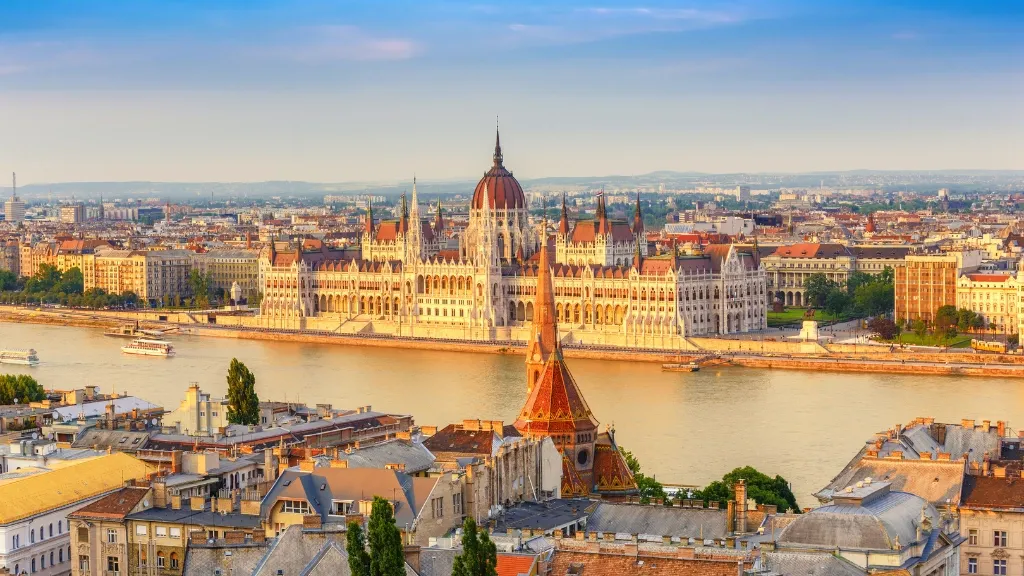
One of the largest parliament buildings in the world and the symbol of Budapest. The guided tour takes you through its lavish interiors, including the Dome Hall, where the Holy Crown of Hungary is displayed. Book ahead, as slots in each language are limited.
Parliament tour with audio guide
Right next to it on the Danube bank, the Shoes on the Danube memorial honours the Jews shot on the embankment in 1944–1945.
Lunch: the Great Market Hall
Under its huge iron and brick hall, try goulash or lángos, fried bread topped with sour cream and cheese, at the stalls upstairs.
Afternoon: Andrássy Avenue
Walk up UNESCO-listed Andrássy Avenue, lined with grand mansions and the Hungarian State Opera. The House of Terror tells the story of the Nazi and communist dictatorships in Hungary.
Evening: St Stephen’s Basilica and the ruin bars
Climb to the dome of St Stephen’s Basilica for the view over the city, then head to the Jewish Quarter (Erzsébetváros) and its “ruin bars”, set up in abandoned buildings, such as the famous Szimpla Kert.
St Stephen’s Basilica entry with terrace option
Day 2: Buda
Morning: the Chain Bridge and Castle Hill
Cross the Chain Bridge, the first permanent bridge across the Danube in Budapest, then go up to Buda Castle on foot or by funicular. The former royal palace houses the Hungarian National Gallery and the Budapest History Museum.
Lunch
Have lunch in the Castle District: chicken paprikash with nokedli, small Hungarian dumplings.
Afternoon: Fisherman’s Bastion and Matthias Church
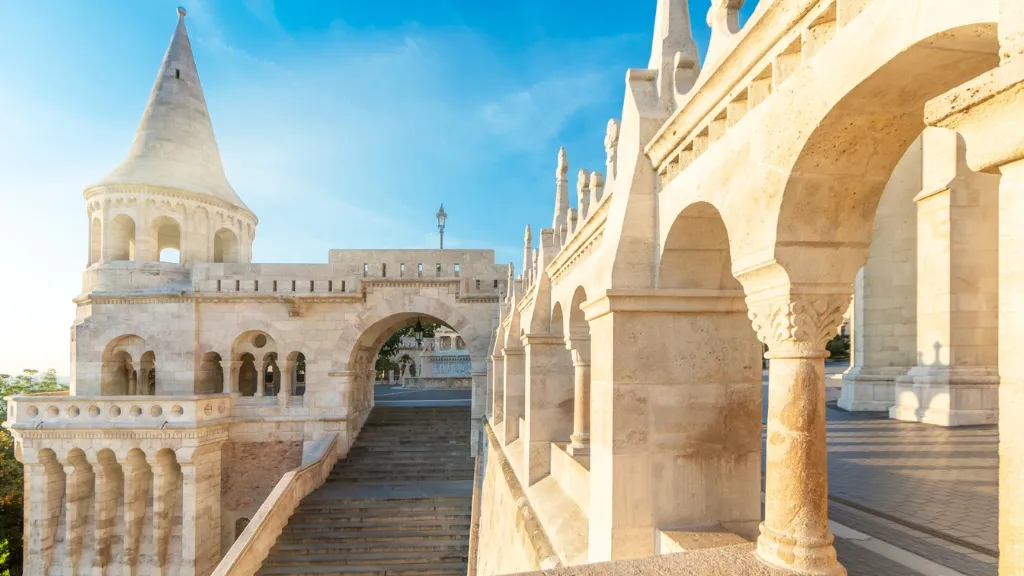
Fisherman’s Bastion, a neo-Romanesque terrace with white turrets, offers the best view over the Danube and the Parliament. Next door, Matthias Church, with its colourful tiled roof, saw the coronation of several Hungarian kings.
Evening: a concert
A concert at the Franz Liszt Academy of Music or a performance at the State Opera, one of the most beautiful in Europe.
Day 3: thermal baths and the Danube
Morning: the Széchenyi Baths
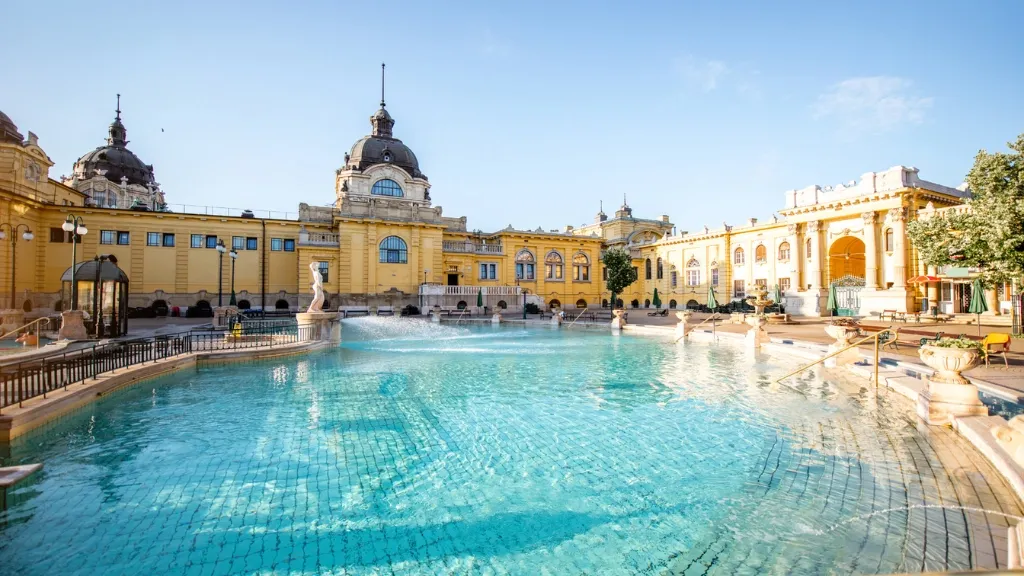
Budapest is the capital of thermal baths. The Széchenyi Baths, among the largest in Europe, fill a neo-baroque palace in the heart of City Park, with big outdoor pools that stay hot even in winter. Come early in the morning to avoid the crowds.
Lunch: City Park
Have lunch in City Park (Városliget), then see Vajdahunyad Castle, which brings together several Hungarian architectural styles, and Heroes’ Square.
Afternoon: Margaret Island
A haven of peace in the middle of the Danube: gardens, a musical fountain, medieval ruins and a running track. Perfect for a stroll or a picnic.
Evening: a Danube cruise
See the Parliament, the castle and the bridges lit up from the river on an evening cruise, with or without dinner.
Practical tips
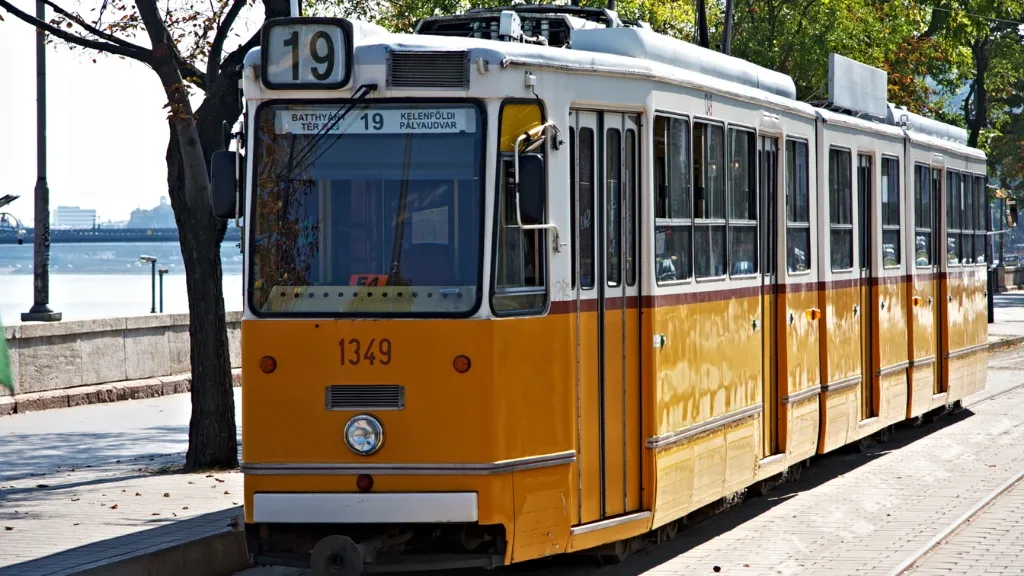
- Transport: the metro, trams and buses are efficient. Tram 2, along the Danube on the Pest side, is one of the most beautiful rides in the city. Get a 24 or 72-hour pass, or the Budapest Card, which adds museum entries and discounts at the baths.
- Money: the Hungarian forint (HUF). Cards are accepted almost everywhere; decline the conversion into your home currency offered by card terminals, as it costs more.
- Baths: bring a swimsuit, towel and flip-flops, or rent them on site.
- When to go: spring (April–May) and autumn (September–October). In winter, the outdoor baths in the snow are worth the trip.
Exploring Budapest with Guidly
- Let the app locate you: it shows you every place around you, from great monuments to historic cafés, drawn from our database of 9 million points of interest.
- Listen to an audio guide created for you, based on your interests: the Austro-Hungarian Empire, Art Nouveau, 20th-century history, food.
- Ask your questions by text or by voice: “Why is the city called Budapest?”, “Which baths should I choose?”.
More capitals: Vienna in 3 days • Prague in 3 days • the most beautiful European capitals.
FAQ
What should I do in Budapest in 3 days?
The Parliament, the Great Market Hall, Andrássy Avenue, St Stephen’s Basilica and the ruin bars on the Pest side; the Chain Bridge, the castle, Fisherman’s Bastion and Matthias Church on the Buda side; then the Széchenyi Baths, Margaret Island and a Danube cruise.
Which baths should I choose in Budapest?
The Széchenyi Baths for their big outdoor pools and neo-baroque palace, or the Rudas Baths for their 16th-century Turkish pool and rooftop pool.
Do I need forints in Budapest?
Cards are accepted almost everywhere. Keep a few forints for small shops, and decline the currency conversion offered by card terminals.
When is the best time to visit Budapest?
Spring and autumn, for mild weather and moderate crowds. Winter is cold but ideal for the outdoor baths and the Christmas markets.
Plan your next trip with Guidly: a personal audio guide, in 12+ languages, across 9 million places.